Plumber website design in Miami: what yours needs
What a Miami plumber's website needs: your Florida license number, which cities you pull permits in, Spanish that's real, and pages for condos and septic.
17 min readTradeShopKit
- websites
- plumbers
- miami
- local search
A Miami plumber's website needs your Florida license number on every page (state law requires it in advertising, whatever the medium), a clear list of the cities you actually pull permits in, and Spanish that a real person on your team can back up on the phone. After that come the pages a generic template never has: one for condo boards and property managers, one for septic and sewer connection work, one for backflow testing, and a plan for storm weeks.
The basics that apply everywhere (pages, photos, speed, a phone number you can tap) are in our plumbing website checklist, and the statewide rules are in the Florida contractor website guide. This post covers what changes when the customers are in Miami-Dade.
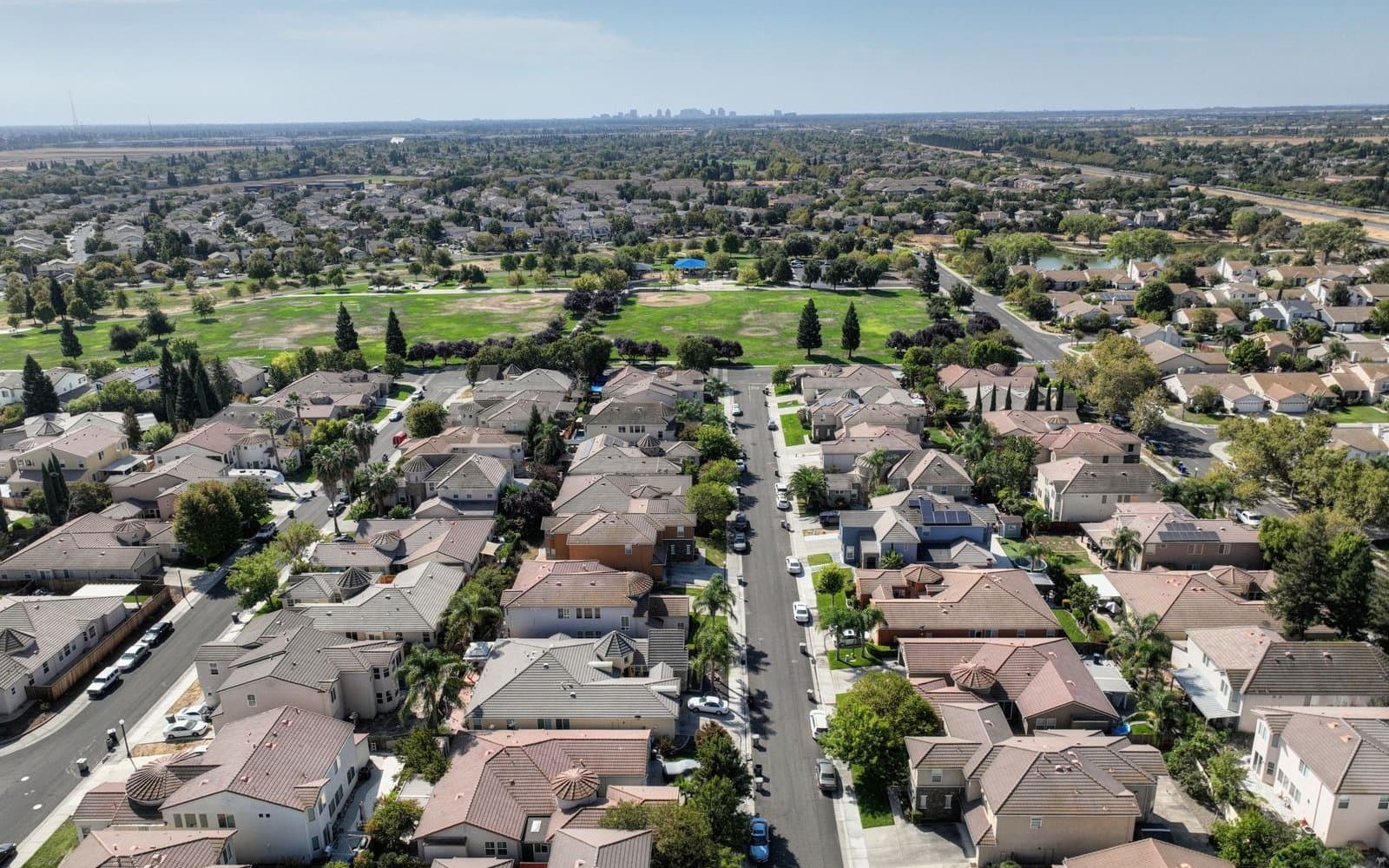
"Miami" is 34 cities and a very big county
Ask ten customers where they live and nine will say Miami. Then you get the address and it's Hialeah, or Kendall, or Miami Gardens, or Coral Gables.
The numbers back that up. The Census Bureau estimated the City of Miami at 489,812 people in July 2025. The county's own budget documents put Miami-Dade at about 2.8 million people in 2025, spread across 34 municipalities, with roughly 1.2 million of them (about 43%) living in unincorporated areas that belong to no city at all.
So most of your "Miami" customers don't live in the City of Miami. That matters for two things on your site: how you describe where you work, and what you say about permits. A home page that says "serving Miami and surrounding areas" answers neither one.
Put your license number where nobody has to hunt for it
Florida's contractor law is blunt about this. Section 489.119(5)(b) of the Florida Statutes says a contractor's registration or certification number has to appear in each offer of services, business proposal, bid, contract or advertisement, regardless of medium. Your website is an advertisement. So is the Instagram post about the repipe you finished Friday.
| Where | What Florida law says |
|---|---|
| Website, ads, social posts | License number on every advertisement, whatever the medium |
| Bids, proposals and contracts | License number on each one |
| Trucks and vans | If the vehicle shows the company name, or wording or artwork that makes it look like a contractor's vehicle, the number has to be displayed with it, clearly and legibly. The statute says this doesn't force you to letter a truck. |
| Pens, shirts, letterhead | Not counted as advertisements (business stationery and promotional novelties are carved out) |
The same section says the board can issue a notice of noncompliance for a first offense, and a fine or citation if it isn't fixed within 30 days or happens again. That's a gentle first step. I still wouldn't lean on it.
On the site, put the number in the header next to the phone number so it shows on every page, written exactly as it appears on your license, prefix included (CFC for a state-certified plumbing contractor). Repeat it in the footer and on the about page.
Miami-Dade adds a local layer. The county licenses master and journeyman plumbers through its Construction Trades Qualifying Board under Chapter 10 of the county code, and its contractor licensing brochure tells homeowners to look a contractor up before hiring: license, insurance and any open complaints, on the Contractor tab at miamidade.gov/building or by calling the licensing section at 786-315-2880. The same brochure mentions civil citations of up to $5,000 for unlicensed work, plus job site sweeps and sting operations.
Your customers have heard about unlicensed contractors. Make the check easy for them. One line does it: "Look us up: Florida license CFC-XXXXXXX at myfloridalicense.com." (Use your real number.) Almost nobody will check. They'll notice that you invited them to.
Not legal advice. Rules change, check with your licensing board.
Say which cities you pull permits in
Miami-Dade's home renovation brochure is clear on the basics. Altering or repairing a plumbing system needs a permit, and it names replacing a water heater or a gas appliance as examples. Only a licensed contractor or an owner-builder can get one. And where you get it depends on the address: each municipality has its own building department, while unincorporated Miami-Dade goes through the county's Permitting and Inspection Center on Coral Way.
That's potentially 35 different counters. Nobody is registered at all of them.
Cities also want you on file before you pull anything. Miami Beach is a good example of what that looks like. Its building department asks a state-certified contractor for a local business tax receipt and certificates of insurance for workers' comp and liability. A contractor working on a county license has to send the Certificate of Competency, a municipal contractor's tax receipt for Miami Beach and the insurance certificates. Then you set up an online account before you can manage a permit. Other cities have their own versions.
What does the homeowner need from all this? One honest sentence on the service pages where a permit applies. For example:
"We pull the permit and book the inspection in the City of Miami, Coral Gables, South Miami, Pinecrest and unincorporated Miami-Dade. The permit fee is a separate line on your quote."
A list like that does two jobs. It tells the Coral Gables homeowner you've been through their building department before, and it quietly tells the caller from Homestead that you're probably not their plumber. If a city isn't one you're set up in, think hard before putting it on your service area page.
Write the service area the way people here say it
People don't search by county. They search "plumber Kendall," "water heater Hialeah," "leak detection Coral Gables," "plomero en Doral." And a lot of the place names people use aren't cities at all. Kendall, Westchester and The Hammocks are unincorporated. Brickell and Little Havana are neighborhoods inside the City of Miami.
Use the names your customers use, say where you stop, and be honest about drive time. Three made-up shops as examples (use your own routes):
| Based in | Service area wording that helps a caller |
|---|---|
| Hialeah | "Hialeah, Miami Lakes, Miami Springs, Medley and Doral. We don't cross the Palmetto south of the airport after 3 pm." |
| Kendall | "Kendall, Pinecrest, Palmetto Bay, South Miami and Cutler Bay. Same day most weekdays. Homestead by appointment." |
| North Miami | "North Miami, Miami Shores, Aventura, North Miami Beach and Miami Gardens. Condo and high-rise work on Miami Beach is scheduled, with building notice." |
Put the full version on a service area page and a short version on the home page, and make your Google Business Profile match. The Google Business Profile generator drafts the description and services from the same details, and our Google Business Profile guide covers the setup rules.
Should every neighborhood get its own page? Only the ones where you can say something true: the kind of buildings you see there, jobs you've done nearby, which building department handles it, how long it takes you to arrive. A stack of pages with only the place name changed helps nobody, and customers can tell.
Spanish on the site, and on the phone
The Census Bureau's 2020 to 2024 figures say 77.2% of City of Miami residents age 5 and older speak a language other than English at home, and 57.7% were born outside the United States. Houston, a very bilingual city itself, is at 47.1% on the same measure. In Miami, a plumbing site in English only is turning away a lot of people before they call.
Honestly, most shops handle this badly. They bolt on a translate widget, and the result reads like a manual for a microwave. Do less, and do it properly:
- Write a real Spanish version of the pages that take calls: home, the main services, service area and contact. Have a Spanish speaker on your team write or fix it, using the words your customers use on the job (plomero, destape, fuga, calentador de agua).
- Put "Hablamos español" beside the phone number, but only if whoever answers can carry the whole call in Spanish, including the price conversation.
- Make the quote form work in both languages, and reply in the language the customer wrote in.
- Ask for reviews in the customer's language. A Spanish review from a neighbor in Westchester is worth more to the next Spanish speaking caller than ten in English.
- If your crew speaks Haitian Creole or Portuguese, say so too. Same rule: only if it's true on the phone.
The service page copy generator gives you a clean English draft of each page to work from. The Spanish version should come from a person, not from a tool.
Build a page for property managers and condo boards
One number changes who your customer is here. The Census Bureau puts the owner-occupied housing rate in the City of Miami at 30.8%. Roughly seven homes in ten are rented. In much of the city, the person who decides which plumber gets the call is a landlord, a property manager or a condo association, and the person standing at the leak is a tenant who can't approve anything.
Most plumbing templates are written for a homeowner in a single-family house. If you do multifamily work, add a page written for the people who hire for buildings. They want to know things a homeowner never asks:
- Can you send a certificate of insurance today, with the association named on it?
- Do you work with building rules: service elevator bookings, work hours, notice for water shut-offs?
- Do you handle riser and stack work, and how do you coordinate access to several units?
- How do you bill: per job, per building, with a purchase order?
- Who do they call after hours, and what does that cost?
Write down that last one before you publish it. The plumbing emergency callout policy generator gives you clear wording a manager can paste into their vendor file.
A caution about one phrase you'll see on other plumbers' sites. Miami-Dade's building recertification program applies to most buildings at 30 years old (25 for condo and co-op buildings three stories or taller within three miles of the coast), then every 10 years. Single-family homes and duplexes are exempt. But the county describes the reports as structural and electrical, prepared by a Florida engineer or architect. Plumbing isn't part of it. So don't advertise "recertification plumbing inspections" as if the county required one. What you can say truthfully is that boards planning recertification repairs often tackle old risers and drain stacks in the same project, if that's work you do.
Septic, sewer connections and backflow testing
These are three services where the county itself is creating the demand.
Septic to sewer
Miami-Dade says about 120,000 septic systems are still in use in the county. It estimates around 9,000 of them are vulnerable to failure under current groundwater conditions, and expects that to reach about 13,500 by 2040 as sea level rises. The county's Connect 2 Protect program is extending sewer lines to those neighborhoods a few hundred homes at a time, starting in the Little River area. In the Ojus project, 107 properties agreed to pay for the new sewer through a special assessment on their tax bills over 30 years.
If you abandon septic tanks and run new sewer laterals, give that work its own page. The owners in these neighborhoods get a letter from the county and start searching that week. Explain the steps in plain words: what the county builds in the street, what's on the owner's side, the permit, what happens to the old tank, and how the yard gets put back. If you don't do it, a one-line "we don't do septic conversions" saves you a dozen calls a month.
Backflow testing
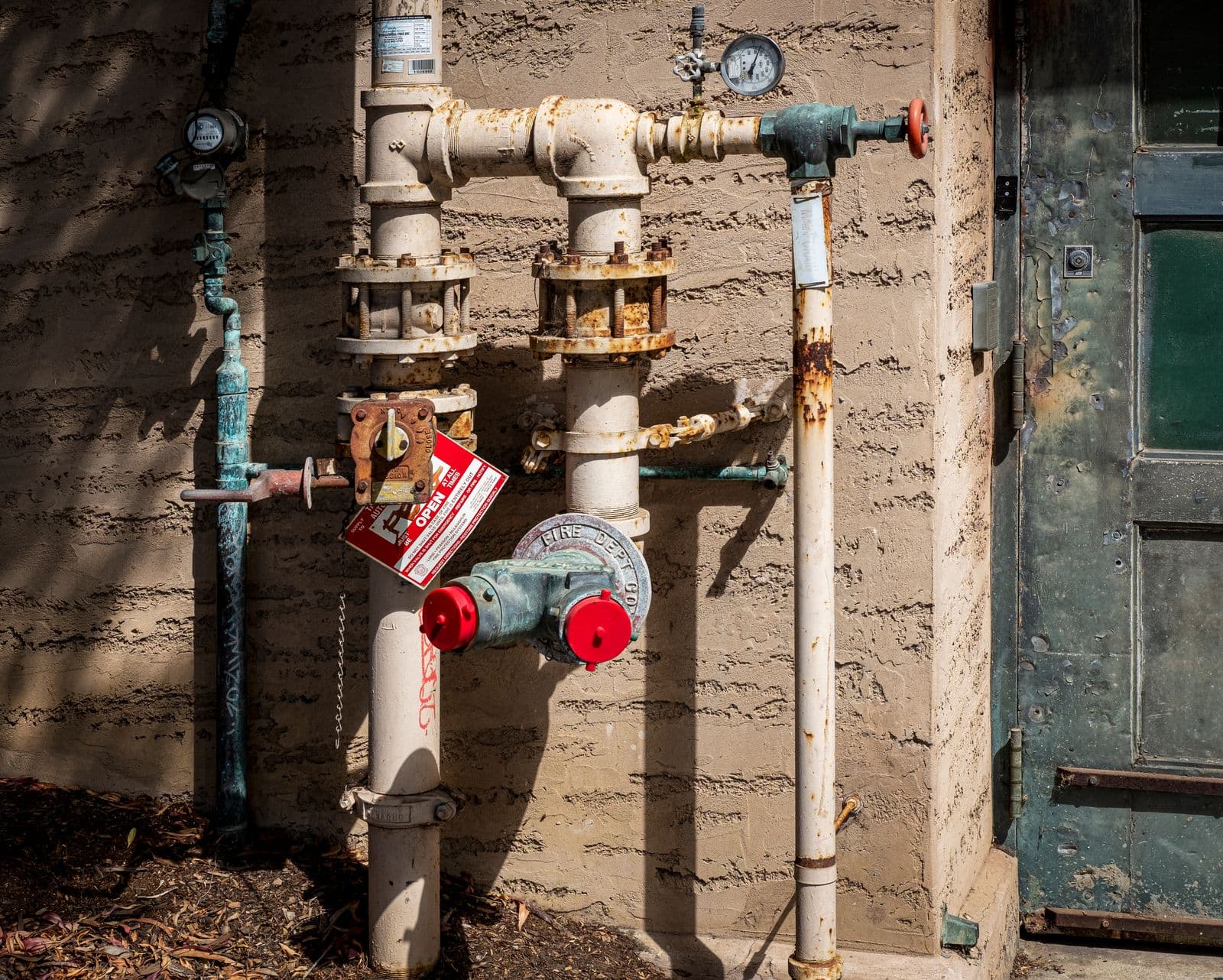
The county's Water and Sewer Department requires backflow prevention assemblies on certain water services, depending on the hazard and the use (domestic, fire line or lawn irrigation). Its own brochure says the assembly has to be installed by a licensed plumber or contractor with a permit, tested when it goes in and once a year after that by a certified tester, with the results sent to the department's Cross-Connection Control Unit.
A test that's required every year is repeat work with a reminder built in. If you have a certified tester, say so on a dedicated page, name the property types you handle (restaurants, medical offices, condo buildings, irrigation systems), and mention that you file the paperwork with the county. A property manager with twelve buildings is looking for one vendor who does that without being chased.
Storm weeks and high water
Hurricane season here runs June 1 through November 30, and everybody in the county knows it. Your site should look like you know it too.
Have a storm page ready before June. It should say whether you take emergency calls once a storm has passed, which areas you reach first, and what a customer can do while they wait. The Water and Sewer Department's own hurricane advice gives you two things worth repeating to customers:
- Use less water right after a storm. The department says pressure can be low and heavy rain strains the sewer system. That's a good line for a drain backup page.
- Cloudy tap water after a storm is usually calcium carbonate stirred up by pressure changes. The department calls it harmless and temporary and says to run the faucet until it clears. Telling people that on your site, instead of selling them a filter out of fear, is the kind of thing they remember.
When a storm is on the way, add one line to the top of the home page ("Open and taking calls in Kendall and Pinecrest, expect 24 to 48 hours") and take it down afterward. A storm banner still up in January looks worse than no banner.
Outside of storms, heavy rain and the fall king tides bring the same calls every year in the low neighborhoods: slow drains, sewer smells, a backed-up floor drain in the garage. The county says residents have reported septic systems failing during heavy rain and high tides in areas like Little River. If you work those streets, a short page on backwater valves and what to check after flooding will get read every October.
Put prices on it
Miami customers assume the number is going to hurt. A site that shows any number at all gets more calls from people who are ready to book.
You don't need to publish everything. Cover the service call fee and whether it comes off the repair, a "starting from" price for the five or six jobs you do most, and what moves the price. For a water heater that's gas or electric, tank or tankless, a closet in a fourth-floor condo or a garage in Westchester, and the permit.
For example: "Electric 40-gallon water heater replaced in a ground-floor utility closet, permit included, from $X. Condo installs with elevator booking and a building shut-off are quoted after a quick look." (Put in your real number, and make sure it still works when the old heater is rusted to the pan.)
The plumbing fixed-price job menu generator builds that short menu with the scope written out, so "drain clearing from $X" doesn't turn into a debate at the door.
Miami plumber website checklist
Pull your site up on your phone and go down the list.
License and paperwork
- Florida license number beside the phone number on every page, prefix included
- Same number on quotes, contracts, ads and social profiles
- A "look us up" line pointing to the state or county license search
- Insurance mentioned, with certificates available on request
Permits and service area
- The cities where you pull permits, named
- A "we pull the permit" line on water heater, gas, repipe and sewer pages
- Neighborhoods written the way customers say them, and where you stop
- Service area matches your Google Business Profile
Language
- Real Spanish pages for home, main services, service area and contact
- "Hablamos español" only where a Spanish speaker answers
- Quote form and replies in both languages
Miami-specific pages
- Property managers and condo associations: insurance, building rules, billing, after-hours
- Septic to sewer connections, or a clear line saying you don't do them
- Backflow testing with annual reminders, if you have a certified tester
- Storm page written before June, with a home page banner ready
- No "recertification plumbing inspection" claims
Money and proof
- Service call fee and whether it's credited
- Starting prices on your most common jobs
- Recent reviews, in English and Spanish, with first names and neighborhoods
- Photos of your own crew and jobs
For the reviews, the review request generator writes the text you send the same afternoon, and our post on how to get more Google reviews covers what Google allows.
Don't want to build it yourself? The Trade Website Bundle is a five-page site written for your plumbing business, with click-to-call on every page, a quote request form, Google Business Profile setup, and Google Analytics and Search Console connected. Domain and hosting are included for the first year, it's live within 10 days or your money back, and it's $399 one-time (was $500), with nothing monthly required. After year one, domain and hosting renew at the provider's price. More free tools for your trade are on the plumbers hub.
Quick answers
Does a Miami plumber need a license number on their website?
Yes. Section 489.119(5)(b) of the Florida Statutes requires a contractor's registration or certification number in every advertisement, regardless of medium, and a website is advertising.
Do you need a permit to replace a water heater in Miami-Dade?
Yes. Miami-Dade's home renovation brochure lists replacing a water heater as plumbing work that needs a permit, pulled by a licensed contractor or an owner-builder. Inside a city, the permit comes from that city's building department.
Should a Miami plumbing website be in Spanish?
If someone on your team can take calls in Spanish, yes. Census figures show 77.2% of City of Miami residents speak a language other than English at home. Write real Spanish pages instead of relying on a translate button.
How many septic systems are in Miami-Dade County?
The county says about 120,000 are still in use, with around 9,000 vulnerable to failure under current groundwater conditions. Its Connect 2 Protect program is moving neighborhoods onto sewer over many years.
How often does a backflow preventer need testing in Miami-Dade?
The county's Water and Sewer Department says when it's installed and once a year after that, by a certified backflow prevention assembly tester, with results sent to its Cross-Connection Control Unit.
What pages should a Miami plumber's website have?
Home, your main services, a service area page naming real cities and neighborhoods, about, and contact. Add pages for property managers, septic to sewer work, backflow testing and storms if you do that work.
Start with two lines
Open your home page and look at the top of it. The license number should be there beside the phone number, and right under it, the cities you pull permits in. Fix those today, then hand the Spanish pages to whoever on your crew answers the phone in Spanish.